What Core Web Vitals Are and Why They’re Important
In today’s digital world, having a website that just looks good is not enough. Visitors expect pages to load quickly, respond to clicks and taps, and remain stable as content appears. These aspects are measured through Core Web Vitals, which Google uses to understand how users experience your site.
For small to medium-sized business owners, e-commerce managers, B2B companies, and marketing teams in Cape Cod, understanding and improving these metrics can help your website rank better and provide a smoother experience for visitors. Working with a seo agency can make this process easier.
What Are Core Web Vitals?
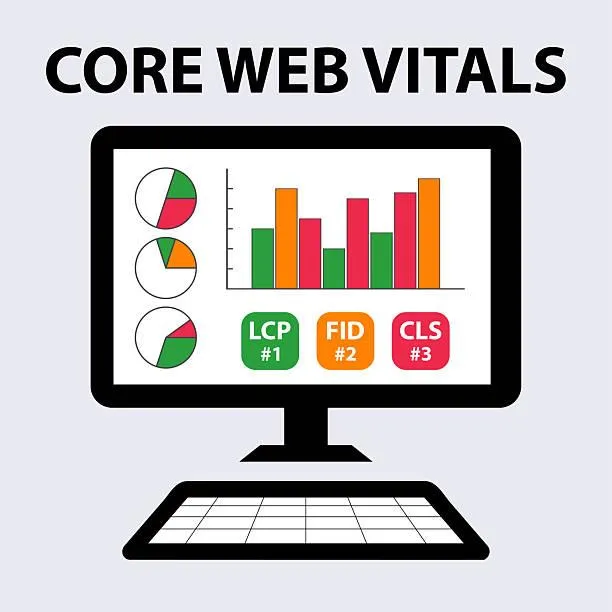
Core Web Vitals are a set of metrics that show how real people interact with your site. They focus on three main areas:
Largest Contentful Paint (LCP) measures how long it takes for the main content of a page to appear. This could be a large image, video, or a block of text. A good score is under 2.5 seconds.
Interaction to Next Paint (INP) measures how quickly a page responds to clicks, taps, or typing. Ideally, this should be under 200 milliseconds.
Cumulative Layout Shift (CLS) tracks unexpected movements on a page as it loads, like images or ads shifting positions. A score under 0.1 is considered good.
Together, these three metrics give a clear view of a website’s performance and usability. Google uses them as part of its ranking system.
Why Core Web Vitals Are Important
Better User Experience: A site that loads fast, reacts quickly, and stays visually stable keeps visitors happy. Users are more likely to stay, explore, and return.
Improved SEO Rankings: Core Web Vitals are part of Google’s ranking criteria. Meeting recommended thresholds can help your pages appear higher in search results.
Higher Conversions: Fast, responsive, and stable pages encourage visitors to take action, like completing a purchase or submitting a form.
Competitive Advantage: Websites that perform well in these metrics stand out against competitors and demonstrate professionalism.
How to Measure Core Web Vitals
You can use several tools to track performance:
Google Search Console gives real-world data about how your pages perform for actual visitors.
PageSpeed Insights and Lighthouse offer detailed reports on page speed, loading issues, and suggestions to improve metrics.
Chrome DevTools allows you to inspect how your page loads and behaves on different devices.
Real User Monitoring tools collect performance data directly from your visitors, helping you track trends over time.
Monitoring both lab tests and real user data provides the clearest picture of how your site performs.
How to Improve Core Web Vitals

Enhance Loading Performance (LCP)
Optimize server response times by using a reliable hosting provider. Enable caching so returning visitors load pages faster. Compress images and use modern formats like WebP. Reduce unnecessary CSS and JavaScript that may block rendering.
Improve Responsiveness (INP)
Break long scripts into smaller pieces so the browser can handle them faster. Minimize heavy tasks on the main thread, and optimize click or tap events so pages respond instantly. Consider moving heavy processing to background threads when possible.
Stabilize Layout (CLS)
Always specify width and height for images and video. Avoid inserting content above existing content, which can push things down unexpectedly. Reserve space for dynamic elements like ads or banners and use CSS transformations for animations instead of layout-changing properties.
Common Challenges and Solutions
Heavy themes or plugins can slow your site. Choose lightweight alternatives.
Third-party scripts like chat tools, analytics, or ads can block loading. Only keep essential scripts and optimize how they load.
Large media files can delay rendering or cause layout shifts. Compress and optimize images and videos.
Mobile optimization is critical. Mobile users often experience slower networks, so ensure your site is responsive and lightweight.
Dynamic content can cause CLS. Reserve space for banners, forms, or pop-ups before they appear.
Role of SEO Agencies and Firms
Working with a professional seo marketing agency in Cape Cod or other seo firms can simplify Core Web Vitals optimization. They can:
Audit your website to identify problem areas
Implement fixes for LCP, INP, and CLS
Monitor performance and provide regular updates
Align technical improvements with overall SEO strategy
A skilled seo agency ensures that your website performs well for both users and search engines.
Tips for Business Owners in Cape Cod
Focus on mobile performance first. Set performance benchmarks and track improvements over time. Include Core Web Vitals in your website redesign or new page planning. Remember that improving performance is an ongoing effort. A fast website combined with valuable content drives the best results.
Conclusion
Core Web Vitals are essential indicators of your website's performance and user experience. For business owners, they affect visibility, engagement, and conversions.
Partnering with a trusted seo marketing agency in Cape Cod can help you audit, optimize, and maintain strong performance metrics. We Market MA specializes in seo agency services, offering technical optimization, content strategy, and monitoring to ensure your site runs efficiently and ranks well.
Investing in Core Web Vitals now keeps your website competitive, reliable, and ready for growth.
Frequently Asked Questions (FAQs)
How often should I monitor Core Web Vitals?
Monthly checks are recommended, with more frequent monitoring for high-traffic websites.
Can improving Core Web Vitals increase traffic?
Yes, better user experience and search visibility often lead to more visitors.
Are these the only SEO factors that matter?
No. Content quality, backlinks, and relevance are also critical, but Core Web Vitals affect user experience and technical ranking.
Do I need technical skills to improve these metrics?
Some improvements can be done by business owners, but most technical changes benefit from professional help.
Will optimizing Core Web Vitals improve conversions?
Yes. Fast and responsive pages reduce frustration and encourage users to complete actions like purchases or form submissions.
